Conquer Together: The Rise of Multiplayer Resource Management Games in the Gaming World
In recent years, the gaming industry has witnessed a monumental shift in player preferences, with multiplayer resource management games taking center stage. As technology advances, gamers are increasingly drawn to immersive experiences that allow them to collaborate, strategize, and build together in fascinating virtual worlds. This article explores the captivating realm of multiplayer games, particularly those framed within the context of resource management, and how these games are positioning themselves as a staple in modern gaming culture.
The Evolution of Multiplayer Games
From the earliest days of arcade machines to the current wave of AAA titles, the evolution of multiplayer games has been nothing short of explosive. What began as split-screen competitions has now transformed into vast online worlds where players from all around the globe can connect. The introduction of high-speed internet has made it easier than ever for gamers to unite, creating communities and shared experiences. But what exactly led to the rise of multiplayer resource management games?
Understanding Resource Management Games
Resource management games are built on the fundamental principle of collecting, allocating, and optimizing resources. Players must carefully plan their strategies to thrive in a competitive environment while managing time and resources efficiently. These games often include elements of construction, resource gathering, and strategic deployment, which further enrich the gameplay experience. The combination of strategy and collaboration in multiplayer settings has captivated gamers, thus marking the rise of this genre.
The Appeal of Cooperative Gaming
There’s something uniquely fulfilling about working with others toward a common goal. Cooperative gameplay nurtures camaraderie and fosters teamwork—a stark contrast from the solitary experiences of traditional gaming. Players feel a sense of belonging, contributing to rich narratives, and building complex civilizations together. Whether it's defending a post-apocalyptic settlement or creating the ultimate online empire, cooperative gaming creates memorable experiences.
Key Characteristics of Multiplayer Resource Management Games
- Collaboration: Players often work as a cohesive unit, pooling resources and skills for mutual benefit.
- Strategic Depth: Gamers must devise strategies to maximize resource efficiency and fend off competitors.
- Immersive Storylines: Many games feature extensive narratives that unfold based on players' collective decisions.
- Dynamic Environments: Each game world presents constantly changing challenges that require adaptive strategies.
Popular Titles in the Genre
| Game Title | Release Year | Notable Features |
|---|---|---|
| Factorio | 2016 | Automated factories, multiplayer support, mods |
| ARK: Survival Evolved | 2015 | Crafting, base-building, taming dinosaurs |
| Children of Morta | 2019 | RPG elements, family-based story, cooperative gameplay |
| Satisfactory | 2020 | 3D factory-building, exploration, multiplayer cooperation |
| Don't Starve Together | 2016 | Survival challenges, unique art style, crafting controls |
Online Story Mode Games: The New Frontier
Within the realm of resource management games, online story mode games add another layer of depth. These titles bring compelling narratives and character development to the forefront, enhancing player engagement. As players navigate the unfolding story together, their choices often impact gameplay trajectory, leading to varied endings based on collective decisions. This level of interaction not only boosts replayability but also intensifies emotional investment.
The Post-Apocalyptic RPG Theme
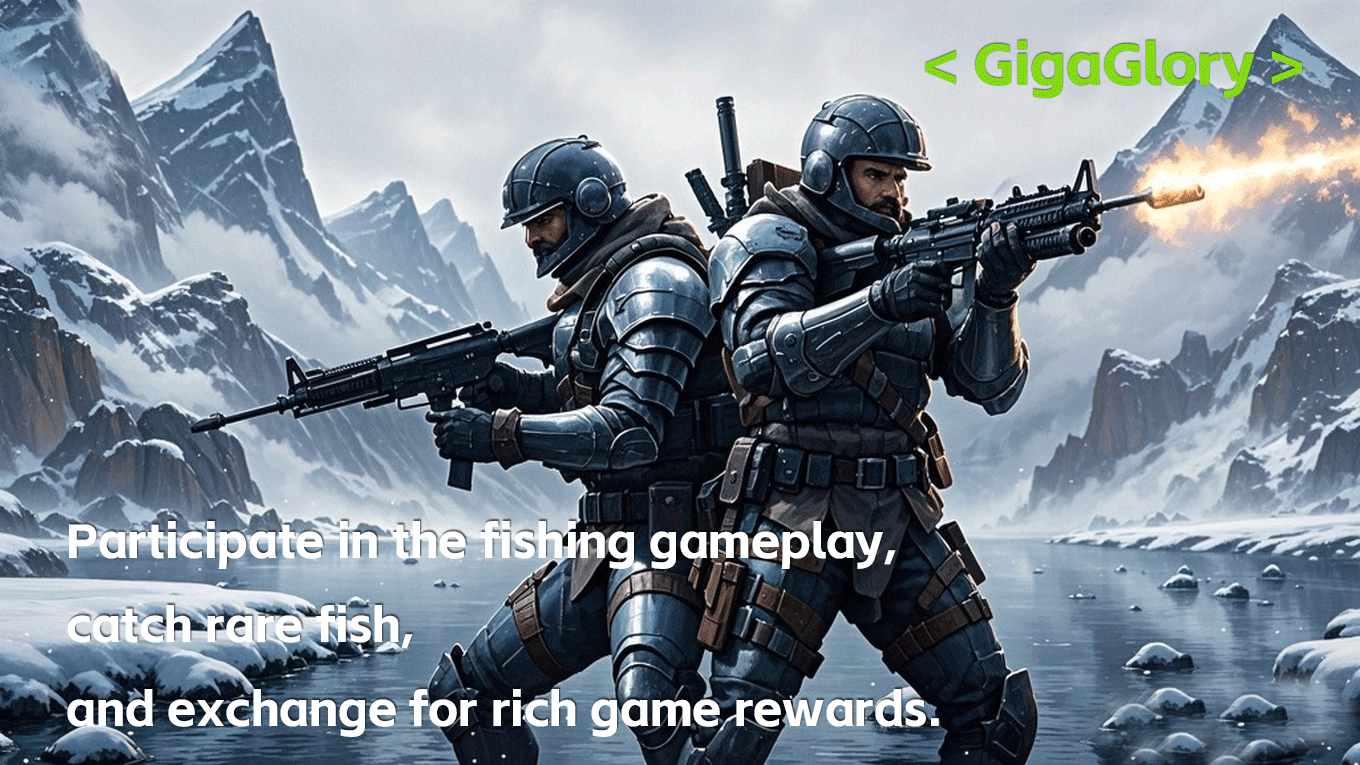
The popularity of post-apocalyptic settings in role-playing games has surged, continually drawing in gamers from all walks of life. These unified systems often give players the freedom to shape their environments amidst chaos and desolation. This theme resonates deeply with modern audiences, offering a thought-provoking reflection of societal challenges while ensuring that the compelling gameplay mechanics remain intact.
Community Building and Competitive Play
Multiplayer resource management games nurture thriving communities that form around shared goals. Players often communicate via forums, Discord servers, or in-game chat, strategizing, sharing tips, and planning cooperative efforts. This sense of community fosters lasting friendships and peer bonds, transforming gaming from a solitary pursuit into a vibrant social experience. However, competition remains fierce, with leaderboards and rankings that add an exciting edge to the game.
Game Mechanics That Encourage Teamwork
The best multiplayer resource management games often feature mechanics that encourage cooperation. These might include shared goals, rewarding collaborative achievements, or offering bonuses for completed tasks. Players are incentivized to strategize effectively and work together, thereby creating a dynamic that captures the essence of teamwork. It’s not just about individual success; it’s about tribe-building.
Challenges and Innovations in the Genre
While many multiplayer resource management games flourish, the genre also faces unique challenges. Balancing gameplay mechanics to avoid frustration can be tricky—especially when creating an equitable environment for casual and hardcore gamers alike. Continuous innovation is also key; developers must stay ahead of trends to keep players engaged, whether through regular updates, expansions, or new content drops.
The Future of Multiplayer Resource Management Games
Looking ahead, the future of multiplayer resource management games appears bright. As technology continues to advance, possibilities for deeper immersion and interactivity are endless. Virtual reality (VR) and augmented reality (AR) may soon change the landscape, creating unprecedented opportunities for players to collaborate in entirely new ways. It will be fascinating to see how the gaming community adapts and evolves with these advancements.
Conclusion
In conclusion, the rise of multiplayer resource management games is a testament to the changing priorities and desires of the gaming audience. Players crave experiences that foster collaboration, community, and personal investment into expansive narratives. The ongoing evolution of this genre suggests that we are only scratching the surface of what is possible in the interactive storytelling experience. As developers continue to innovate, gamers can expect an exciting tapestry of collaborative gameplay that promises not only to entertain but to connect.
FAQs
What makes multiplayer resource management games unique?
These games emphasize collaboration and strategy, allowing players to work together for shared goals, in contrast to traditional competitive formats.
Can you play resource management games solo?
Yes, many titles also offer single-player modes, though the experience may vary significantly compared to multiplayer gameplay.
How do storylines impact gameplay in multiplayer games?
Narratives can enhance engagement by providing context to players’ actions, leading to varied outcomes based on group decisions and dynamics.
What strategies work best in multiplayer resource management games?
Effective communication, resource allocation, and adapting plans based on in-game developments are critical for success.