How Sandbox Games Are Revolutionizing Educational Games for Interactive Learning
In a world saturated with conventional educational methodologies, the rise of sandbox games introduces a refreshing approach to learning – one where creativity and exploration reign supreme. But how exactly are these engaging gaming environments reshaping the landscape of educational games? Allow me to take you on a journey, weaving through the vibrant tapestry of potential these games hold for learners worldwide, particularly in vibrant Sri Lanka.
The Allure of Sandbox Games
Sandbox games create rich, immersive experiences, inviting players to explore vast terrains and interact with a multitude of elements. Unlike traditional games, which often follow a set narrative or linear progression, sandbox games offer players the freedom to choose their paths. This fundamental lack of restrictions resonates with a deep-seated human truth—our desire for autonomy and self-expression. The vast expanses of pixels and pixels await, and each action can lead to countless discoveries.
An Introduction to Educational Games
Within this enchanting framework, we find educational games—tools designed not just for entertainment but to instill knowledge and skills. They aim to enhance cognitive abilities, foster critical thinking, and nurture problem-solving capabilities. When blended with the sandbox model, the potential for transformative education becomes astonishingly powerful.
Why Choose Sandbox for Learning?
- Freedom of Exploration: Players can explore at their own pace.
- Customization: Tailor experiences based on individual learning styles.
- Creativity Unleashed: Encourages innovative thinking and solutions.
Building Knowledge: The Mechanics of Learning in Sandbox Games
Take a moment to consider the mechanics at play in sandbox environments. Learners are not mere observers; they are architects of their own educational paths. They build empires, craft intricate structures, and solve complex problems. Synthetic challenges arise, echoing real-world situations that demand critical thinking and ingenuity.
| Aspect | Traditional Education | Sandbox Education |
|---|---|---|
| Learning Style | One-size-fits-all | Personalized exploration |
| Teacher’s Role | Instructor-led | Facilitator of learning |
| Engagement Level | Variable | High and immersive |
| Problem-solving | Standardized tests | Dynamic challenges |
Case Studies: Successful Sandbox Implementations
Let’s dive deeper into successful cases showcasing the blend of sandbox gaming with education. Titles like Minecraft: Education Edition open up classrooms to the wonders of creation, giving students the freedom to build structures, solve mathematical puzzles, and even design history projects, all within a highly interactive realm.
Tailoring the Learning Experience
Educational institutions in Sri Lanka, facing diverse learning needs, can benefit immensely from sandbox games. The integration of these platforms allows for a tailored and unique learning experience. Students can access valuable resources relevant to their culture while engaging in collaborative projects that instill teamwork and communication.
The Impact of Collaborative Learning in Sandbox Games
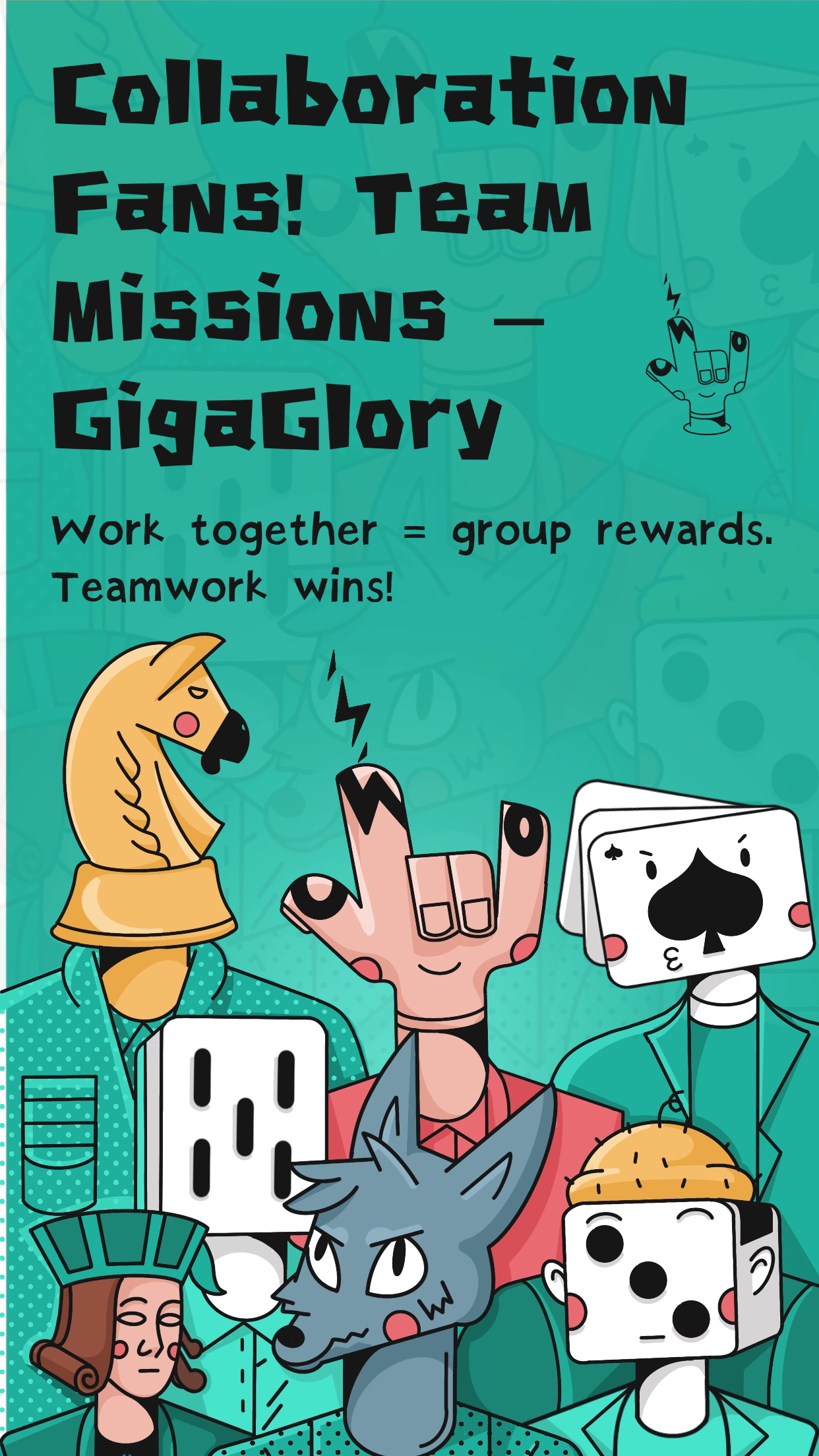
Collaboration is another cornerstone of sandbox gaming. Students can work together on projects, share resources, and even face challenges as a team. This builds camaraderie and an intrinsic understanding of teamwork—an essential skill in today’s interconnected world. Imagine students from different backgrounds uniting under one virtual roof to solve a single problem. It’s the magic of shared experiences!
Broadening Perspectives through Global Engagement
Moreover, sandbox games can connect students with peers from across the globe. A classroom in Sri Lanka can link up with one in North America, sharing cultural experiences and learning from each other. This exposure broadens horizons, cultivating a generation of thinkers who appreciate diversity and innovation.
Resources: The Best Sandbox Games for Educational Purposes
When selecting the right sandbox games for education, consider these popular choices:
- Minecraft: Education Edition - An obvious choice for its versatile applications.
- Terraria - A 2D adventure that fosters creativity.
- LittleBigPlanet - Emphasizes collaboration and storytelling.
- Roblox - A platform for user-created games that encourages design skills.
Challenges and Considerations
Despite their immense promise, integrating sandbox games into educational frameworks does come with challenges. Issues regarding access to technology, training for educators, and ensuring that gaming remains purposeful and focused on learning objectives must all be addressed. Yet, the potential for revolutionizing education through these virtual landscapes is too compelling to ignore.
Conclusion: The Future of Learning in the Sandbox
The future is bright as sandbox games continue to redefine what it means to learn. They summon a call to venture beyond the confines of traditional education, inviting learners to embrace exploration and creativity. As Sri Lanka embraces this educational revolution, students will not only learn *about* the world but *through* it—through the art of play, creativity, and collaboration. Let the sandbox be the new classroom, and may the exploration never cease!